
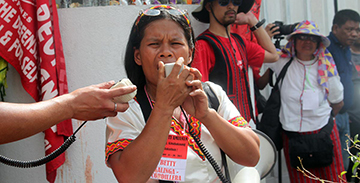
False Accusations, Persecution and Imprisonment of Indigenous Women
Rachel Mariano and Betty Belen, indigenous women and human rights advocates share their incarceration stories due to trumped-up charges and evidence. The cause of their persecution is clear: they defend their ancestral lands. Because of their activities, their...

Kicking off women’s month with women’s harvest, art, and artisanship
Cordillera Women’s Education, Action Research Center, (CWEARC) Inc. launched Paglilikha Art Exhibit and Binnadang Para Isnan Kataguan Trade Fair on March 8 in celebration of International Women’s Month. The two simultaneous activities that showcase Cordillera women’s...
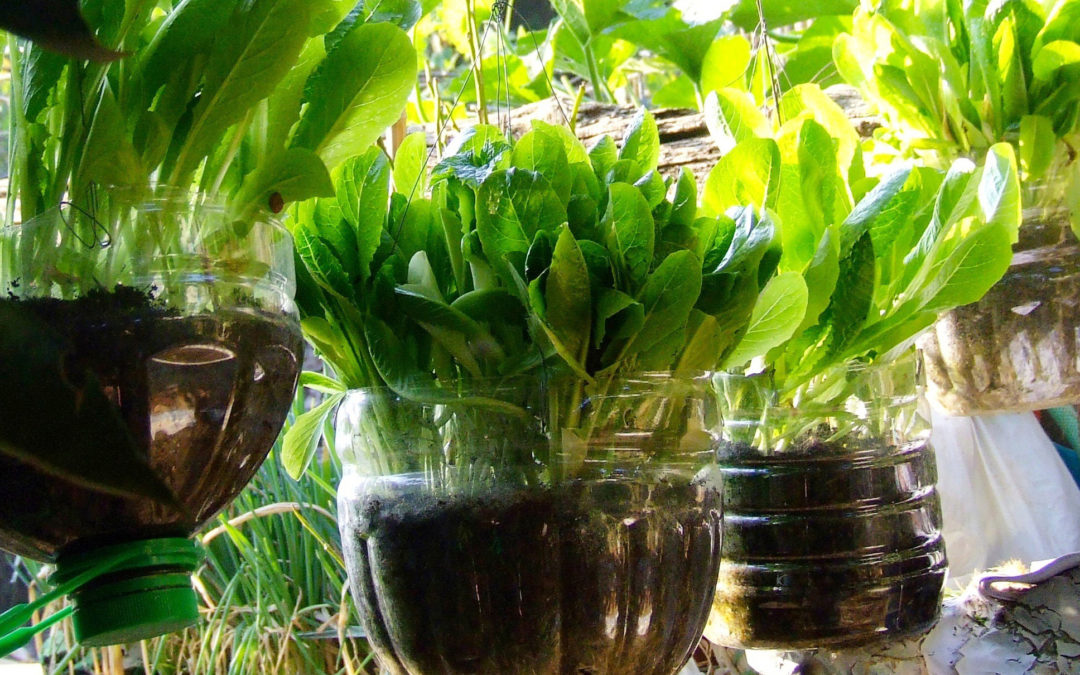
Urban Gardening: Growing Herbs and Vegetables
I started urban gardening many years ago by planting several vegetables, herbs and ornamentals using both practical and traditional knowledge and experimenting. Growing up in the province exposed me to gardening—I do not hesitate to hold and mix the soil for pots and...
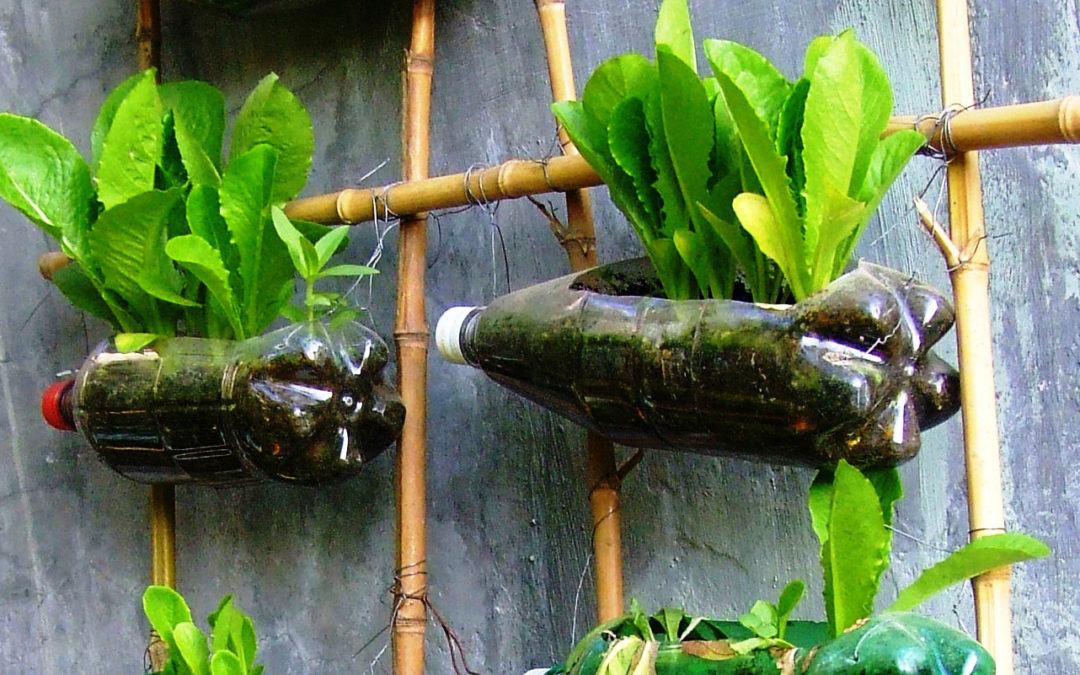
Gardening in the time of a pandemic: Baguio’s urban vegetable lifeline
The health crisis and imposition of the enhanced community quarantine (ECQ) due to the Coronavirus disease 2019 (COVID-19) unmasked not only the shortcomings in the Philippines’ health system but also exposed the urgency of addressing issues in food security. The...

CWEARC denounces PNP red tagging on Facebook
Cordillera Women’s Education Action Research Center, Inc. (CWEARC) denounces the red tagging and vilification of the Philippine National Police (PNP) through its Facebook pages “Pnp Rmfb Wolverines” and “Kapulisan ng Kalinga” on CWEARC’s campaign to support the...
Annie’s Journey
“Annie” is a twenty-year-old Kankana-ey born and raised in Mankayan, Benguet. She comes from a family of seven, wherein she has her parents and her four younger siblings. Her parents are trying their best to make do with the meager wages that they earn from informal...
A call to action to the young indigenous women of the Cordillera
If you are like the vast majority, you probably haven’t heard of the ‘ball-squeezing’ and ‘breast-baring’ women who defended our ancestral lands from threats of unmerciful destruction. For that, you are not to blame because believe it or not, we have a state that is...
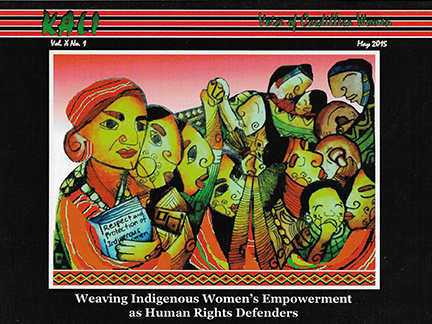
Weaving Indigenous Women’s Empowerment as Human Rights Defenders
Foreword It's not completely a new initiative. What makes this journey unique, however, is the utilization of positive aspects of customary institutions and values as avenues to promote indigenous women's rights. It was a painstaking journey of human rights awareness...
Corporatization of water and wind in Mt. Province
Years before, the winds in Sagada gave off the sound of rustling pine needles, the wings and songs of birds, and the fresh smell of the forest. Hardly did anyone think that soon enough, the wind would bring with itself the metallic sound of the spinning turbines of a...
Cordillera women wage battle vs. profit driven energy projects
BAGUIO CITY – In celebration of the International Women’s Day, women from all over the region gathered in this city for a summit to amplify their position against profit-driven energy projects that has destroyed and are threatening their land, food and rights. The...
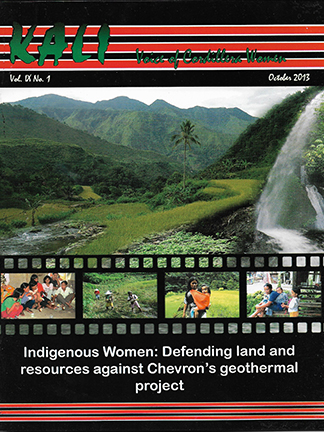
Indigenous Women: Defending land and resources against Chevron’s geothermal project
Executive Summary The study is aimed at strengthening the affirmative actions of local indigenous women leaders and their organizations. This is done through a framework where the local indigenous women leaders are involved in the entire process of the research. It is...
Tanglag rice mill: A symbol of indigenous peasant women’s empowerment
Empowered are the indigenous peasant women of Sitio Liglig, Tanglag in Lubuagan, Kalinga who have defined and asserted their role in their community’s development through a socio-economic project despite the reality where there is low regard to women in their tribal...
Changing the lives of Mabaca indigenous peasants and women through the power from water
Rice mill and cooperative is the most requested project in the remote areas in the Cordillera region where rice is the primary crop. This is because shortage is often experienced given the situation that rice farms are limited to about 0.2 hectares per family in the...